Inspiration
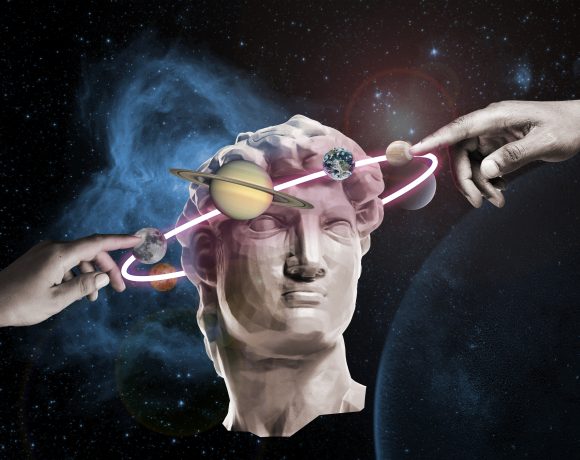
In the journey of life, discovering your passion is akin to finding the North Star—a guiding light that illuminates your path and infuses every step with purpose. Uncovering what truly drives and inspires you is a transformative process that goes beyond mere interests; it delves into the core of who you are. Here, we’ll explore specific techniques, backed by psychological insights and real-world examples, to help you embark on this empowering quest.

Self-Reflection: The Mirror to Your Soul

Begin your journey by looking inward. Self-reflection is the mirror to your soul, revealing the desires and interests that reside within. Take time to ponder your strengths, weaknesses, and the activities that bring you joy. Journaling can be a powerful tool to document your thoughts and observations, allowing patterns to emerge over time.

The Ikigai Framework: Where Passion Meets Purpose

The Japanese concept of Ikigai encapsulates the intersection of what you love, what you are good at, what the world needs, and what you can be paid for. Visualize these four circles merging into a central point—the sweet spot where passion meets purpose. This framework provides a holistic perspective on finding your true calling.

Explore Diverse Experiences: Fuel for Passion's Fire

Passion often hides in unexplored territories. Step out of your comfort zone and embrace diverse experiences. Attend workshops, engage in hobbies you’ve never considered, or volunteer for a cause that resonates with you. It is through these experiences that you unearth hidden talents and passions waiting to be discovered.

Learn from Role Models: Inspiration in Action

Seek inspiration from those who have found their passion. Read biographies, watch interviews, and learn from the journeys of individuals who have turned their passions into thriving careers. Their stories serve as beacons of motivation, showcasing that the pursuit of passion is a dynamic and evolving process.

Psychological Tricks: Hacking into Passion's Code

Understanding the psychology behind passion can be a game-changer. Research suggests that intrinsic motivation, driven by personal enjoyment and fulfillment, is a key factor in sustaining passion. Set meaningful goals, celebrate small victories, and cultivate a growth mindset to nurture your passion over time.

Embrace Failure as a Stepping Stone

Failure is not the opposite of success; it’s a stepping stone towards it. The path to passion is often marked by setbacks and challenges. Embrace failure as a crucial part of the learning process. Analyze what went wrong, adjust your approach, and use each failure as an opportunity for growth.

Connect with Like-Minded Communities

Passion thrives in the company of like-minded individuals. Join communities, both online and offline, where people share similar interests. Engaging with others who are passionate about the same pursuits provides support, inspiration, and valuable insights that can further fuel your own journey.


The pursuit of passion is a dynamic and ongoing process. As you delve into self-reflection, explore new experiences, and draw inspiration from others, remember that passion is not a one-size-fits-all concept. It evolves, adapts, and grows alongside you. Uncover what drives and inspires you, and let it become the force that propels you toward a life ignited by passion and purpose.
Lifestyle & Success
In an era dominated by digital devices, a growing movement champions the idea of a digital detox—a deliberate choice to break free from the shackles of screens and reconnect with the richness of life. Experts and scientists, including renowned professionals, are increasingly advocating for this practice as research highlights its potential benefits. Let’s explore the insights and examples that underscore the importance of disconnecting in order to truly reconnect.

The Expert Perspective:

Digital Minimalism Advocate – Dr. Cal Newport: Dr. Newport, a computer science professor and author of “Digital Minimalism,” argues for intentional technology use. He emphasizes the necessity of taking breaks from digital distractions to cultivate deep focus, foster genuine connections, and reclaim a sense of control over our lives.

Psychologist and Author – Dr. Sherry Turkle: Dr. Turkle, a psychologist and MIT professor, delves into the impact of constant connectivity on human relationships in her book “Reclaiming Conversation.” She sheds light on how the omnipresence of smartphones affects the quality of our interactions, advocating for a mindful digital approach to nurture authentic connections.

Scientific Insights:

Research from the University of California, Irvine suggests that a perpetual stream of digital information can lead to information overload and contribute to stress. Taking a break from screens has been linked to improved mental well-being, reduced stress levels, and heightened focus.

Embark on a transformative journey to liberate yourself from the digital hustle. Discover refreshing methods to initiate your digital detox, paving the way for a mindful and intentional connection with technology. Dive into these invigorating approaches, and unlock the door to a more balanced and fulfilling digital life.

1. The Unplugged Sanctuary:

Designate a specific room or corner in your home as a tech-free sanctuary. Allow this space to be a refuge where you can unwind, read a physical book, or engage in creative pursuits without the digital hum.

2. Tech Sabbatical Weekends:

Dedicate entire weekends to a tech sabbatical. Turn off your devices, venture outdoors, and immerse yourself in activities that ignite joy and connection with the analog world.

3. The Notification Diet:

Conduct a thorough audit of your notifications. Trim the excess by turning off non-essential alerts. This subtle shift will create a quieter digital space, reducing the constant urge to check your device.

4. Digital Vision Boarding:

Create a digital vision board of your aspirations, goals, and dreams. Engaging with positive and inspiring content deliberately curates your digital experience, making it a source of motivation rather than mindless scrolling.

5. Mindful Photo Capture:

Instead of incessant photo-taking, adopt a mindful approach. Allow yourself a limited number of photos per event, encouraging you to be fully present and engage in the experience without viewing it through a screen.

6. Analog Accountability Partner:

Enlist a friend or family member as an analog accountability partner. Share your digital detox goals and check in regularly to provide mutual encouragement and celebrate successes.

7. Digital Declutter Challenges:

Gamify the decluttering process by turning it into a challenge. Set specific, achievable goals for cleaning up your digital space, whether it’s organizing files, decluttering your inbox, or revisiting your app usage.

8. Screen-Free Night Routine:

Establish a screen-free routine before bedtime. Engage in calming activities such as reading a physical book, practicing gratitude, or jotting down reflections in a journal to enhance your sleep quality.

9. Nature-Infused Screen Breaks:

Incorporate screen breaks with a nature-infused twist. Take a stroll in the park, have a picnic, or simply sit and appreciate the outdoors without the distraction of digital devices.

10. Tech-Light Workouts:

Transform your workout routine into a tech-light experience. Opt for music without screens, podcasts, or the guidance of a fitness app. Allow physical activity to be a space for mindfulness and self-reflection.

11. Digital-Free Meals with a Twist:

Turn digital-free meals into a sensory experience. Experiment with new recipes, focus on the flavors, and savor each bite without the interference of screens.

12. Themed Unplugged Days:

Designate specific days for themed unplugged activities. Whether it’s a creativity day, a reading marathon, or a DIY project, infusing purpose into your screen-free time makes the experience more rewarding.

13. Analog Adventures with a Purpose:

Plan analog adventures with a purpose. Explore local cultural events, volunteer opportunities, or workshops that ignite your passions, fostering connections beyond the digital realm.

14. Tech Reflection Journal:

Keep a tech reflection journal. Note your feelings, experiences, and realizations during your digital detox journey. This introspective practice adds depth to your detox and helps you stay attuned to your evolving relationship with technology.

15. The Analog Hourglass Technique:

Embrace the analog hourglass technique for focused work. Set a physical hourglass timer for a specific task, allowing you to immerse yourself fully without the interruptions of digital timekeeping.

A digital detox is not about rejecting technology; it’s about consciously managing our digital interactions to lead a more intentional, balanced, and fulfilling life. As we absorb insights from experts, scientists, and real-life examples, it becomes evident that the benefits of a digital detox extend far beyond reduced screen time—they encompass enhanced well-being, strengthened relationships, and a profound reconnection with the world around us. So, detach from the digital tether, embrace the analog world, and rediscover the vibrancy of life beyond the screen.
Inspiration
In the realm of ambition, where dreams ignite and aspirations soar, a new era of leadership is emerging—a generation poised to redefine the boundaries of success. As we navigate the complexities of the modern world, it becomes evident that the torchbearers of tomorrow are not merely dreamers but architects of change, relentlessly fueling their ambition to inspire and lead.

In this dynamic landscape, we witness the rise of leaders who dare to dream big, dismantling conventional barriers and charting unconventional paths. They understand that ambition, when fueled by purpose, transcends personal success—it becomes a beacon that guides others to their full potential.

Let’s delve into concrete strategies, backed by real-world examples and exercises, that propel individuals towards impactful and purpose-driven leadership.

The Power of Purpose

Research by psychologist Amy Wrzesniewski at Yale University underscores the transformative influence of purpose-driven leadership. Leaders who align their ambitions with a broader purpose not only find greater satisfaction but also inspire others to rally behind a shared vision.

Exercise: Reflect on your core values and aspirations, envisioning how your leadership ambitions can contribute to a larger cause. This exercise not only provides clarity but also lays the foundation for meaningful leadership.

Resilience in Action

The journey to leadership is often fraught with challenges, and resilience becomes a cornerstone in the pursuit of ambitious goals. Consider the life of Oprah Winfrey, a testament to resilience and perseverance. Despite facing adversity, she transformed setbacks into stepping stones for growth.

Exercise: Identify a setback you’ve encountered, dissect it, and outline actionable steps to turn it into a growth opportunity. This exercise not only builds resilience but fosters a proactive mindset in the face of challenges.

Inclusive Leadership

Studies, such as those conducted by McKinsey, consistently show that diverse and inclusive teams outperform their counterparts. Microsoft CEO Satya Nadella’s leadership exemplifies the strength of inclusivity, fostering an environment where diverse voices are heard and valued.

Exercise: Assess your current leadership circles, identifying areas for diversification. Actively seek opportunities to include perspectives from different backgrounds, as diverse teams are known to generate innovative solutions.

Mindfulness for Effective Leadership

In the fast-paced world of leadership, navigating challenges with clarity and composure is paramount. Research from Harvard Business Review underscores the positive impact of mindfulness on leadership effectiveness. Mindfulness, the practice of being fully present in the moment, enhances decision-making, reduces stress, and fosters a positive work environment. Leaders such as Arianna Huffington have integrated mindfulness into their daily routines to great effect.

Exercise: Incorporate a brief mindfulness practice into your daily schedule. Whether it’s a short meditation session or focused breathing exercises, observe how this practice enhances your ability to lead with clarity and navigate challenges with a centered mindset. This intentional focus on mindfulness not only contributes to leadership effectiveness but also fosters personal well-being, creating a harmonious synergy between professional and personal growth.

Strategic Goal Setting for Visionary Leadership

At the heart of effective leadership lies the art of strategic goal setting. Visionary leaders understand the power of aligning objectives with their overarching mission. By setting clear, measurable goals, they create a roadmap for success. Drawing inspiration from leaders like Jeff Bezos, who transformed Amazon through strategic goal setting, exercise: Define a long-term vision for your leadership journey. Break it down into actionable, strategic goals, and establish a timeline for achievement. This exercise not only hones your strategic thinking but also instills a proactive mindset, crucial for visionary leadership.

Mentorship Matters

Exemplary leaders often credit mentorship for their growth and development. Sheryl Sandberg, COO of Facebook, champions mentorship as a pivotal force that shapes leaders.

Exercise: Identify potential mentors in your field and initiate conversations or seek guidance from existing mentors. This exercise not only facilitates valuable learning experiences but also nurtures a supportive network critical for leadership growth.

In embracing these strategies, exercises, and real-world examples, aspiring leaders can fuel their ambition with purpose, resilience, inclusivity, effective time management, mindfulness, and the guidance of mentors. This holistic approach not only propels individuals towards success but also serves as a beacon, inspiring the next generation of leaders to forge their impactful paths.
Boost Brainpower
Procrastination, the timeless foe of productivity, has plagued individuals across time and disciplines. However, as we delve into the realms of psychology and neuroscience, groundbreaking studies illuminate the path to liberation from this productivity thief.

Understanding the Enemy: The Psychological Perspective

Dr. Piers Steel, a renowned psychologist and author of “The Procrastination Equation,” unravels the mysteries behind procrastination. His research reveals that procrastination is not merely a lack of willpower but a complex interplay of factors, including our perception of the task, its value, and the time required. Acknowledging these psychological nuances is the first step to overcoming procrastination.

The Pomodoro Technique: A Time-Tested Ally

Francesco Cirillo’s Pomodoro Technique is a beacon of hope for those ensnared by procrastination. Based on the principle of breaking tasks into focused, time-limited intervals (usually 25 minutes), this method leverages the brain’s capacity for sustained focus. The periodic breaks not only combat mental fatigue but also transform daunting tasks into manageable sprints, fostering a sense of accomplishment.

The Power of Visualization: A Neuroscientific Approach

Dr. Heidi Grant Halvorson, a motivational psychologist, emphasizes the impact of visualization on goal achievement. Neuroscientific studies demonstrate that vividly imagining the process of completing a task activates the brain’s reward system. This, in turn, fuels motivation and reduces the psychological barriers that often lead to procrastination.

Cultivating a Growth Mindset: The Carol Dweck Method

In her groundbreaking work on mindset, Dr. Carol Dweck introduces the concept of a growth mindset. Embracing challenges as opportunities for growth, rather than insurmountable obstacles, is a powerful antidote to procrastination. Individuals with a growth mindset perceive effort as a path to mastery, thereby fostering resilience and perseverance in the face of tasks that may trigger procrastination.

Mindfulness Meditation: Taming the Procrastination Beast

Researchers at the University of Waterloo discovered that mindfulness meditation significantly reduces procrastination. Mindfulness, with its focus on the present moment, helps individuals detach from the anxiety associated with future tasks. By cultivating mindfulness, one can create mental space for clarity, making it easier to tackle tasks without succumbing to procrastination.

Breaking free from procrastination involves a multi-faceted approach, drawing on insights from psychology and neuroscience. By understanding the underlying psychological dynamics, adopting effective time management techniques, leveraging visualization, fostering a growth mindset, and embracing mindfulness, individuals can reclaim their productivity and pave the way toward realizing their dreams. Armed with these scientifically proven methods, the journey from procrastination to productivity becomes an empowering and transformative endeavor. The key lies not in avoiding tasks but in approaching them with intention, focus, and a belief in the untapped potential within each of us.
Lifestyle & Success

I don’t like carrots. I like my potatoes roasted, preferably double roasted. I consume different vegetables depending on whether I’m cooking a Western, Asian or Indian style meal. If I’m feeling super healthy, I blitz a bunch of veggies in the mixer and drink the juice. However there is still one vegetable I don’t know what to do with, kale. 

While wellness influencers spruik its health benefits, kale isn’t all it’s cracked up to be. In fact, kale isn’t a healthy option for everyone. Telling someone to eat it without knowing their medical history can do serious damage. 

You may be wondering, am I reading the wrong magazine? What has kale got to do with being an entrepreneur? Bear with me. 

We’re all different. Just like a one-size-fits-all approach doesn’t work with vegetables, it doesn’t work with networking. While networking is unlikely to kill you, it could kill your future growth if it’s not prescribed correctly and tailored to your unique circumstances. Vegetables are a vital part of a healthy diet in the same way that networking is essential for personal and business growth. The key with both is finding what works for you. 

What Is Networking?

Google ‘networking’ and you will find over five billion responses. Investopedia defines it as “the exchange of information and ideas among people with a common profession or special interest,” usually in an informal social setting.

I define networking as, “the establishment of relationships with people who will most likely become your friends, influence your decisions and/or be an ambassador for what you stand for. They will support and stand by you as much as you will support and stand by them.”

Networking is a critical life skill and it has no barriers or limitations – anyone can do it, including introverts. It’s not simply the exchange of information, it is an integral part of our growth, now and in the future. 

Networking is an extension of you – your brand, your lifestyle, your attraction, and your desires. We network every day even if we don’t realize it. If you have a website or social media page, you’re networking. If you are walking down the street or in a bar, you’re networking. If someone is talking about you, even if you’re not present, you’re networking. Networking is working for you 24/7, 365 days a year so you need to maximize the opportunity.

Overcoming Your Fear Of Networking

Put a bowl of kale in front of me and I can’t help thinking about how my mum used to feed it to the cows as a child in Poland where it grew freely with other weeds. It just doesn’t appeal to me. You might feel the same about networking.

Networking can be extremely daunting for someone who is introverted or feels stuck and unable to break through a plateau. You might fear that you’ll say the wrong thing and be rejected. You might feel uncomfortable having to engage in small talk with strangers. You might feel weighed down by the pressure to connect and sell. Maybe you just have no idea what to say or how to follow up.

The biggest obstacle I’ve heard in my 20 years in business is, “I don’t like going to networking events”.  Guess what? You don’t have to. There are 30 other network pathways you could try and I guarantee you will enjoy at least three of them. 

Just like you can pick the vegetables you prefer to stay healthy, you can pick the kind of networking you enjoy to keep your personal and business growth on track.

And if you’re still worried about your natural introversion, don’t be. Right now is the ideal time for introverts to network. The way we interact is continuing to evolve with more opportunities in the online space. Introverts, this is your time.

Five (Unconventional) Ways to Network Online  

1. Start volunteering
Reach out and offer to help people with their online programs. Online programs have increased dramatically in recent years providing a great opportunity for you to build relationships with teams who have different backgrounds or niches.

2. Get Published
Want to know how I got this article published? I reached out and asked if an article on networking would be of interest. After checking out my online profile, the answer was yes. If you’re an expert on a particular topic, get in touch with magazine editors and offer to share your insights with their readership.

3. Reengage your online networks
There is no point in having millions of ‘connections’ if you’re failing to connect with them. I have over three million connections through LinkedIn groups and I recently started to reengage them by asking two simple questions:

  1. How are you?
  2. How can my network support you and your network?

I had a wonderful response which strengthened my networks and kept me in front of my mind. 

4. Become a trusted voice
Take the time to share your expertise in online groups. I contribute to 10 groups every day which has built my reputation as a leader in my field. On the flip side, if you need expert advice from someone else, reach out via online groups to connect with people who can facilitate your growth.

5. Pay it forward
I recently sent 25 $10 coffee vouchers to key members of my network – five to existing clients, 10 to hot prospects and 10 to prospects that had gone cold. I included a message that reflected my personality and unconventional style. This simple initiative had an overwhelming positive response. 


Why Network With Purpose™ Is Important?

Purposeful action is fundamental in how we interact with team members, clients, prospects, suppliers, brand ambassadors, advocates and industry colleagues.

My Network with Purpose™ framework is built on over 10,000 hours of real life experience. It fosters the right behavior and decisions to naturally increase the quality of your growth, trust and commitment. It is the glue that binds your intrinsic motivation with your big picture goals. 

In the same way vegetables improve your wellbeing, networking with purpose helps you live a healthier and happier life. It makes you more visible, memorable, intriguing and compelling which can result in an astounding transformation. And no, you won’t have to attend a networking event. Or eat kale.

Picture of Author: Gordon Jenkins
Author: Gordon Jenkins

As an executive coach, speaker and international author, Gordon helps entrepreneurs and professionals break through their plateaus and accelerate their personal and professional growth. With his trusty sidekick, Banfi The Duck, Gordon has an innate knack for recognising and celebrating people’s individuality. His book, ‘Network with Purpose: Transform your skills in four simple steps’ has become the go-to guide for entrepreneurs who want to distinguish themselves from competitors and enrich their relationships. For more info on Gordon head to www.iamgordonjenkins.com .

Boost Brainpower

Why are some people capable of taking challenges head-on while others are not? Why hardships motivate some to pave their way to success but drive others into depression? For years, it was thought that the main reason is simply a different level of intelligence.

But the richest and most influential people are far from the smartest. The key component for success, according to the study, is not the level of intelligence, familiar to us as IQ, but emotional intelligence – EQ (emotional quotient.) This concept means an ability to understand and control emotions, as well as be able to understand other people and their feelings.

Is Emotional Intelligence The Only Key To Success?

EQ was introduced by psychologist Lindsay Gardner in the 90s, but after studying it over the past quarter of a century, scientists have not been able to determine its clear criteria, as was done with IQ.

Nevertheless, some signs do indicate a high level of emotional intelligence:

  • A vast “emotional vocabulary” – that is, the ability to understand your experiences and describe them;
  • A lively interest in people, curiosity and empathy – the ability to put yourself in other people’s place;
  • Openness to change and the ability to adapt to various circumstances;
  • The ability to effortlessly “say no” to yourself and people, which indicates self-control and self-esteem;
  • A desire to share with people new knowledge, unexpected gifts, without expecting anything in return;
  • Gratitude for what you have right now.

There are other features of an emotionally intelligent individual, for example, a habit to observe a work-leisure balance, including having adequate sleep at night, as it improves the intellectual and emotional state.

As you know, people can be generally divided into “right-hemispheric” (with enhanced imaginative thinking, creativity and emotional intelligence) and “left-hemispheric” (goal-oriented and logical thinkers.) It turned out that individuals, whose right hemisphere is more developed, are more likely to get well with people, be flexible and, therefore, become successful.

Why Your Energy Level Matters

However, Paul George Claudel in his book «The Project To Live,» draws attention to another important success factor – VQ (vitality quotient,) which measures how energized a person is: mentally, spiritually and physically. The author believes that the very concept of VQ – the coefficient of vital energy – is the ability to change, inspire and lead.

Photo by Andrea Piacquadio from Pexels

Indeed, people who are unable to control and replenish their energy are not able to achieve high results simply because they are tired. Worn-out leaders might become the catalyzers of professional burnout within their teams, as they fail to provide necessary support and motivation for their employees. Moreover, not only in business but in personal life, VQ is worth paying attention to. Especially at this time, where self-realization comes to the fore during self-preservation.

The quarantine has put the world on pause: industries froze in anticipation, like train cars on a siding. This period gives you a chance to think about life energy – a key resource to your well-being and productivity, as it determines how quickly you complete tasks and how you affect other people.

Ways to Optimize Your Energy

Patricia Goldfrey, American psychologist and integrative coach, offers these simple tips to replenish your energy:

Learn to say “no”

Constantly agreeing to help others when you don’t want to, results in losing your energy by giving it to other people. Luckily, American psychologist, Ellen Hendrickson, has come up with these guilt-free ways for a smooth refusal:

  • Offer an alternative;
  • Explain your inaccessibility by something specific: your schedule or other responsibilities, or feeling unwell;
  • Turn “saying no” into a compliment (e.g. “No, but thank you for thinking about me”.)

Control the surrounding sounds

Unwanted noise can absorb tons of energy. An easy way to quickly change your mood is to create your invigorating playlist or take on the earplugs (depends on a situation.)

Get rid of unnecessary things

According to Trisha, in nine out of ten cases, even quick cleaning up significantly helps to recharge. If you want to free up space in your house or apartment and make it cozier here are some ideas:

  • Throw away old books and magazines;
  • Get rid of unnecessary documents, such as old paid bills;
  • Wipe off dust;
  • Throw away other useless or worthless things;
  • Decorate your room with photos of your happy moments.

Despite the importance of your energy, developing IQ and EQ is also essential, as the presence of energy with a lack of mind can have undesirable consequences. Even the brilliant commander, Napoleon once said: “People with high intelligence and powerful energy become generals, but the ones with an excess of energy and no mind are no good to the society.” Then, probably, it’s not a good idea to avoid gaining new knowledge if you’ve decided to become successful!

The levels of IQ, EQ and VQ are innate properties. However, by setting a specific goal, it’s possible to develop each of those quotients within yourself. By understanding yourself and stimulating your multilateral thinking, you can become a well-rounded person and reach your potential. It is also important to do what you love, as it will increase your intelligence and vitality without trying too hard.

Lifestyle & Success

1. Start with a friendly phrase

It is important to soften the answer so that at first glance it seems that you agree with the person. In a further speech, it will be clear that this is not so, but the opponent will already be located toward you.

2. Take your time

You probably heard that haste makes waste. Well, this proverb indeed comes from people’s experiences. It’s better to take your time before you give a hasty answer based on emotions. You don’t want to regret the words you can’t take back.

3. Answer the question you want to hear

Almost all the politicians’ speeches are based on this point when they speak about everything and nothing at the same time. If you were asked a tricky question that you want to avoid, slightly reformulate it in your mind so it becomes more comfortable to answer.

4. Admit mistakes without betraying a team

Of course, if there is a flaw in your work, you can refer it to the team (if there is one,) but this will be the ugliest option which most likely will not go unnoticed. Admit that you made a mistake, but you are willing to work on it. Confess what lessons you learned. People always appreciated and will appreciate honesty and hard work.

5. Try to anticipate criticism

The most important thing is in the end. If you have to speak in public, think ahead of time what questions can be criticized. Write down the answers and practice them. It will also help you feel more confident.

Lifestyle & Success

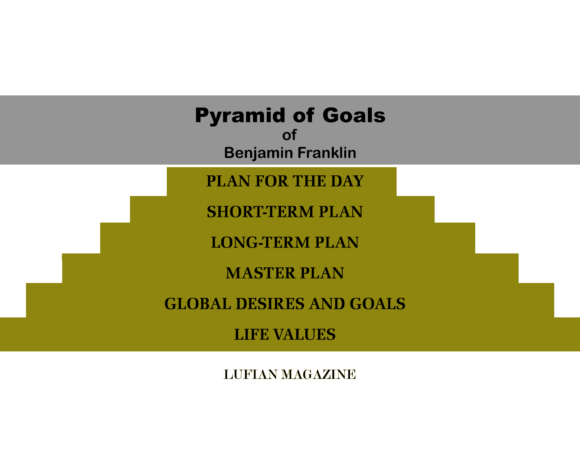
Life values

They are the foundation of the entire pyramid. They predetermine your chosen path, and therefore the setting of goals. The main thing is to ask yourself “What is the most important thing for me in life?”

Examples of values: seeking wealth, helping others, family, fame or creating something new.

Global desires and goals

A new challenge is the definition of global goals. Moreover, it can be far from one goal.

An example of a global goal: to create a corporation, reviews, offspring, to reveal your talent, etc.

Master plan

This is the third block based on a global goal. It is being created for 5–10 years in advance. It is a detailed step-by-step instruction.

Example: go to courses, create a portfolio, make the necessary connections.

Long-term plan

It is calculated for 1–5 years and is a detailed analysis of one of the points of the master plan.

Example: you are going to take courses. Where to? When? How much money is needed? How long?

Short-term plan

The period from a month to a year. This stage was created in order to concretize the tasks.

Example: preparing for an exam, acquiring the equipment necessary for the operation.

Plan for the day

This is the very top of the pyramid. The idea is to break down the steps of the short-term plan into smaller assignments that you can complete in one day.

Example: go to a hardware store and buy a microphone, learn a chapter on economics.

Boost Brainpower

Wondering how to release tension after a stressful day and enhance your intelligence simultaneously? Great, because what you do in your free time can significantly affect the level of productivity, creativity and quality of life overall.

Hobbies are not only remedies for stress relief. There are some types of leisure activities that not only bring pleasure but also boost your brainpower.

Explore fresh ideas from the list below, find an appealing hobby and surprise your brain with a new beneficial habit:

1. Meditation

Photo by Felipe Borges from Pexels

Meditation positively affects the human brain and boosts productivity. Studies have shown that meditation bolsters the prefrontal cortex, the area of the brain that regulates our focus and self-discipline. In other words, regular meditation will assist your brain to work efficiently and make thoughtful decisions on a neurological level. This also means you will learn how to control your own emotions and feelings, thus feel more confident and even happier.


2. Sports

Any kind! The smartest people of all ages devoted a significant part of their time to physical exercises. Socrates was a wrestler, Kant could not live a day without walking a dozen miles in Königberg… Besides, relying on Neuroscience magazine’s experiments on monkeys, the ones who did physical exercises regularly mastered new tasks and performed them twice as fast then the other primates.


Thus, sports improve neural connections in the brain, enhance blood flow and promote productiveness on brain functionality. Of course, you do not have to sign for Thai boxing classes tomorrow, but you could always start jogging in the park nearby. It is convenient and free!


3. Gardening

It is a surprisingly effective and useful hobby for the brain. When you grow vegetables, fruits or flowers, you reduce the level of cortisol, the stress hormone, therefore, your attention and focus are improved. The positive emotions from coming to your garden and enjoying the views of nature or contemplating the results of your work also benefit your brain, making you a happier, and, therefore, a more productive and creative person.


4. Knitting

Experts claim knitting is a great way to deal with anxiety, depression and even chronic pain. The benefits of working with hands can be compared to the effect of meditation. Knitting activates the parasympathetic nervous system and dulls the “hit or run” reaction. Thus, it can help restless people to slow down and finish their work in a shorter time.


5. Playing a Musical Instrument

Many studies have proven that playing a musical instrument enhances creativity and memory, brushes up linguistic skills, fine motor skills and much more. No matter what you are playing, a guitar or a violin, the corpus callosum, connecting the hemispheres, creates new neural connections in the brain. An improvement in the state of this organ entails an increase in the level of executive skills, memory, the ability to solve problems and the functioning of the brain as a whole, regardless of how old you are.


6. Reading

No matter what you read, whether it is a romantic novel or an article in The New York Times, the benefits will be the same. Reading lowers stress levels which makes you more focused and relieved. Assistance in solving problems, forming a single core of knowledge for better daily navigation, identifying relationships, understanding processes, empathy – all these qualities boost by systematic reading.


7. Learning New Languages

The ability to speak multiple languages is advantageous not only in career opportunities but in traveling, understanding foreign cultures and discovering new information without wasting time on Google Translator.
Learning a second language may help you ​​boost concentration on a certain task, as well as protect your memory. It preserves the active mechanism by which knowledge contained in your brain is processed.


8. Chess

Photo by Engin Akyurt from Pexels

The research article about Chinese board-game players showed that chess players have a good memory and learn quickly because they have a highly developed neural network. When playing chess, new brain connections are actively formed: the more of them exist, the faster the information is transmitted. Thus, undoubtedly, such activity positively influences the understanding of speech and coordination and so increases the learning speed. Even an amateur chess player will be able to solve problems of different nature much faster.


9. Dancing

Scientists concluded that dancing positively affects brain performance for people of all ages. It improves the connection between neurons of the cerebral cortex and the hippocampus, which is responsible for the transition of short-term memory to long-term, spatial orientation and retention of attention.


10. Video Games

The regular video games playing develops spatial memory, navigation and visual-spatial skills. Such conclusions were made by American scientists in the article “The Impact of Video Games on Cognitive Activity.” They explored action games such as Call of Duty and found that first-person shooters develop the prefrontal cortex, the right hippocampus and the cerebellum.

However, Aaron Seitz, a professor of psychology at the University of California, believes that cognitive abilities develop only if you play no more than an hour a day. So don’t get too carried away!


Isn’t it amazing to be able to boost your intelligence by doing something fun? The above activities, scientifically proven to be beneficial, can always become your effective brain exercise. If you choose to spend your evenings doing something useful rather than binge-watching Netflix, your brain will thank you sooner or later. And who knows, maybe you will not only diversify your routine but also rediscover your individuality.

Lifestyle & Success

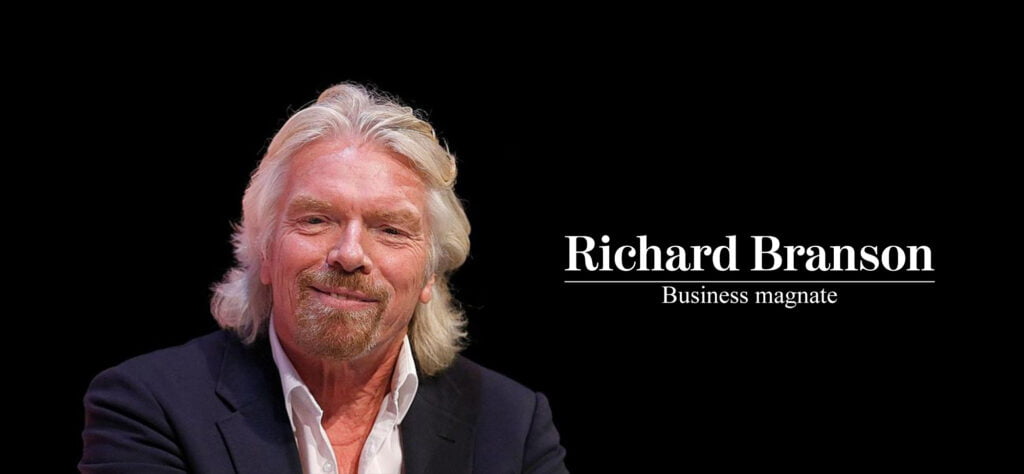
Every year for the Wolrd Book Day, Branson compiles a list of books he thinks all should read during their lifetime. The list consists of children’s books, fiction and non-fiction literature. Here are the top five books that the billionaire highly recommends to everyone who wants to grow and expand the worldview:

  1. Adventures of Huckleberry Finn” by Mark Twain;
  2. The Hitchhiker’s Guide to the Galaxy” by Douglas Adams;
  3. Black Box Thinking: The Surprising Truth About Success” by Matthew Syed;
  4. Cosmos: A Personal Voyage” by Carl Sagan;
  5. Abundance: The Future Is Better Than You Think” by Peter Diamandis and Steven Kotler.

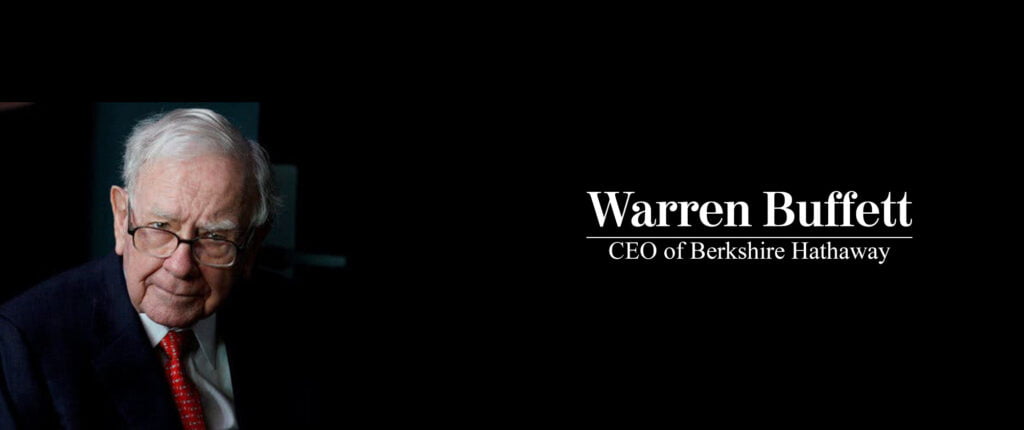
Warren Buffett in his interviews often mentions his love for literature. However, he reads not to get an author’s opinion but to learn new facts. So journalists periodically ask for his personal recommendations. The following are the five books that Buffett loves the most:

  1. “The Intelligent Investor” by Benjamin Graham;
  2. Common Stocks and Uncommon Profits” by Philip Fisher;
  3. Jack Welch and the G.E. Way: Management Insights and Leadership Secrets of the Legendary CEO”  by Robert Slater;
  4. Business Adventures: Twelve Classic Tales from the World of Wall Street” by John Brooks;
  5. Nuclear Terrorism: The Ultimate Preventable Catastrophe” by Graham T. Allison.

The journalist Brad Stone in his book “The Everything Store: Jeff Bezos and the Age of Amazon” listed the literature that has influenced Bezos and his success. Below see the five books out of many others that the founder of Amazon encourages to read his colleagues and employees:

  1. The Remains of the Day” by Kazuo Ishiguro;
  2. Sam Walton: Made in America” by Sam Walton;
  3. Built to Last: Successful Habits of Visionary Companies” by James C. Collins and Jerry I. Porras;
  4. Data-Driven Marketing: The 15 Metrics Everyone in Marketing Should Know” by Mark Jeffery;
  5. The Black Swan” by Nassim Nicholas Taleb.

In 2015 Mark Zuckerberg created a Facebook page where every two weeks during the year he tried to write about different interesting books. At the end of the year, he collected a decent list of literature that is worth attention. Here are five of them:

  1. The Beginning of Infinity” by David Deutsch;
  2. World Order” by Henry Kissinger;
  3. The Rational Optimist: How Prosperity Evolves” by Matt Ridley;
  4. Enlightenment Now” by Steven Pinker;
  5. Orwell’s Revenge” by Peter W. Huber.

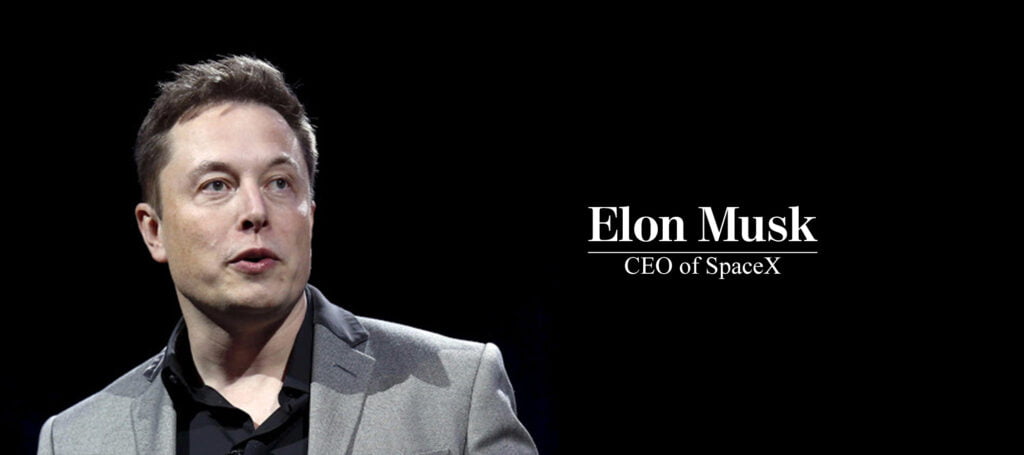
When people ask Elon Musk how did he learn to build the rockets, he always answers, “I read books.” Even though Musk never named his favorite literature, he still loves discussing them.

  1. The Lord of the Rings” by John R. R. Tolkien;
  2. Benjamin Franklin: An American Life” by Walter Isaacson;
  3. Superintelligence: Paths, Dangers, Strategies” by Nick Bostrom;
  4. “The Moon Is a Harsh Mistress” by Robert A. Heinlein;
  5. Our Final Invention” by James Barrat.