Inspiration


Cooking

Try a new recipe twice a week. Impress your loved ones!


Drawing

Take a sheet of paper with a pencil and draw. It doesn’t have to be perfect and might seem hard in the beginning, but sometimes the best thing you can do is start and enjoy the process.


Sports 

It’s time to diversify your activities and try something you always had in mind. Maybe it’s basketball, karate, yoga or chess.


Hand lettering or calligraphy

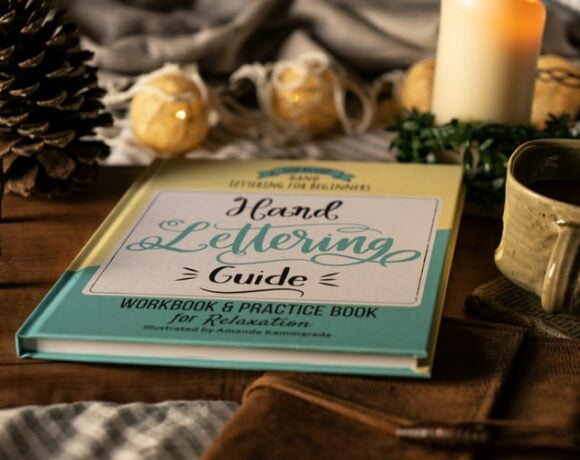
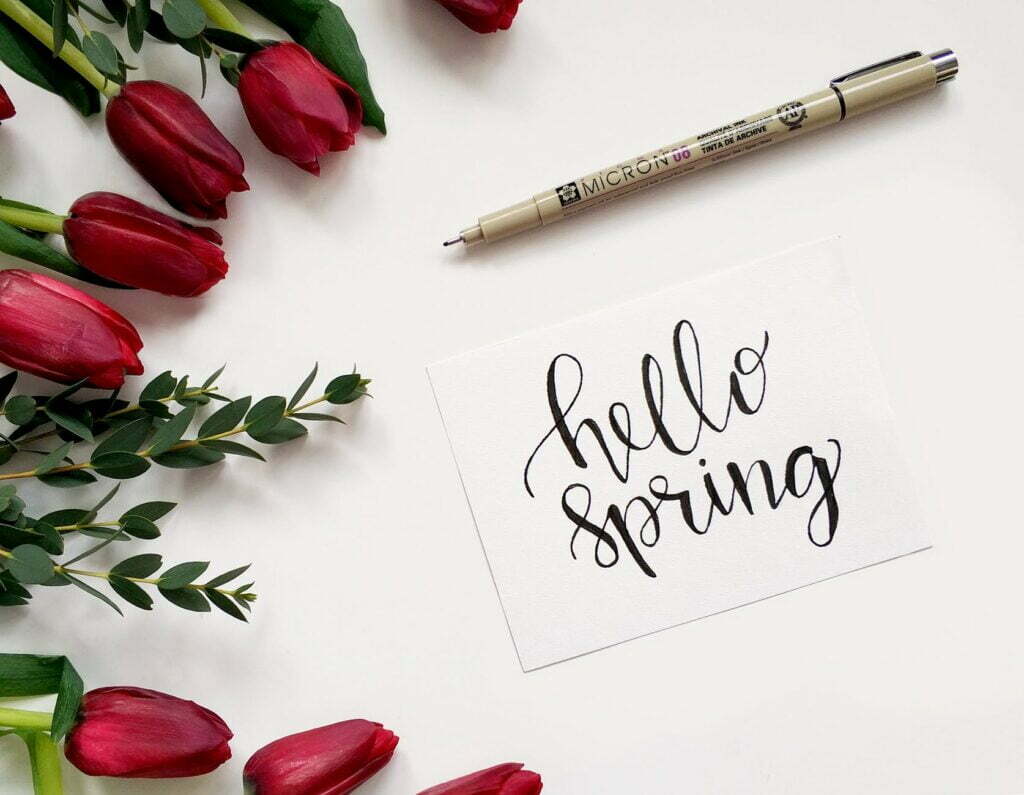
Always wanted to find that special channel of creativity? Then this hobby is definitely for you! It’s not necessary to immediately buy sophisticated tools; try first-hand materials. 


Board games

Playing a new board game with a group of friends over the weekend sounds like fun? If it does, you should try a new board/card game that will challenge you. Maybe this one will become your favorite?


Blogging

Have you been keeping your thoughts in a diary? Maybe there’s something worth sharing with others? You can always share your ideas, stories, and photography on Instagram, Tumblr, Twitter, and other platforms. And who knows, maybe soon you will become a popular blogger with a large audience? 


New language

Want to travel to Paris, Barcelona and feel like a fish in water? French, Spanish or even Chinese… muscle your brain and learn new cultures!


Movie theater

Do you like to watch good movies? Why not make a hobby out of this and become a movie fan? Your TV and laptop screens can’t cover those emotions that you get from watching a movie on a big screen with an excellent sound in the movie theater.


Do not forget to set goals and deadlines to bring your new activities into your life!


Boost Brainpower

Have you ever wondered what makes you feel or behave one way or another? How many times do you feel that you can’t control it? The truth is, it’s all in your brain. If you learn how to control it, you will acquire a powerful skill. You will learn how to control your emotions, understand your behavior and even take advantage of it. 

Lufian made a list of books that will help you learn the structure and functions of your brain. Save the list and discover some psychological tricks that will lead you to success. 


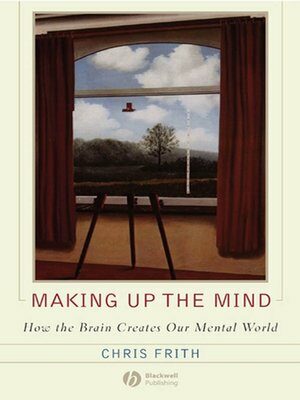
“Making up the Mind: How the Brain Creates Our Mental World” by Chris Frith

The book, written by one of the most outstanding neuroscientists, gives us some insight into why we experience the world the way we do. The author emphasizes how the mental state of a person changes under certain outside circumstances and specific behavioral reactions. If your work activities require a lot of nerve cells,  this book will come in handy. It will also help answer questions about irritability and nervous instability.



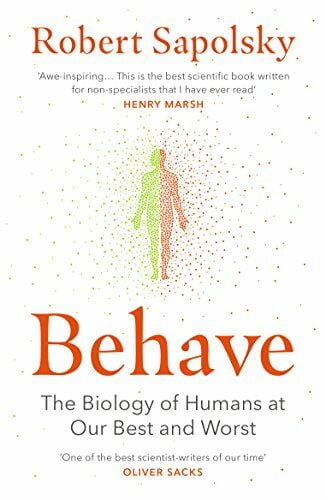
Behave: The Biology of Humans at Our Best and Worst” by Robert Sapolsky

The New York Times bestseller, the Best Book of the Year by The Washington Post and The Wall Street Journal.

This acclaimed book raises an important question: why do we behave the way we behave? The author examines the human behavior context with a number of factors. To answer this question, Sapolsky takes a long journey to take a look before any action. Why some people kill, and some do charity? How can people be so kind and so evil at the same time? It’s not enough to look at the brain only. Sapolsky creates a broader picture by encompassing factors such as culture, ecology, and history of humankind. He piles all of that with his captivating storytelling. 


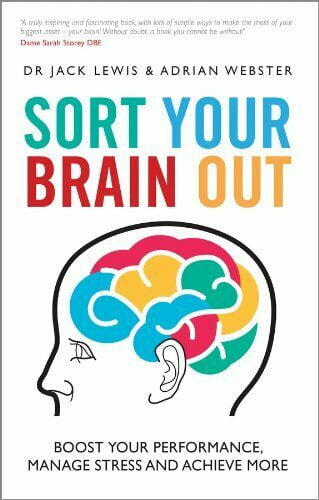
Sort Your Brain Out: Boost Your Performance, Manage Stress and Achieve More” by Jack Lewis and Adrian Webster

Brain scientist Dr. Jack Lewis and motivational speaker Adrian Webster in this book answer the most frequently asked questions about the brain and its activities. Not only can you find the answers to those questions, but learn how to use your brains to your benefit. If you want to manage your stress, improve your memory and creativity, become the master of your mood and your best decisions, Sort Your Brain Out is what you need. 


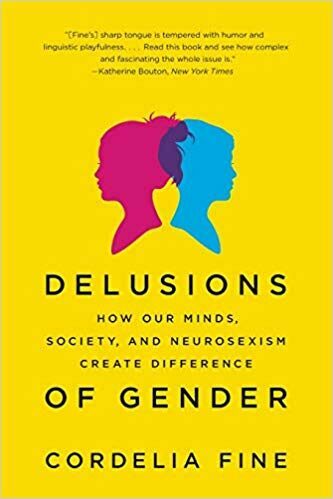
Delusions of Gender: How Our Minds, Society, and Neurosexism Create Difference” by Cordelia Fine


How often have you heard that men and women are wired differently? The author, Cordelia Fine, explains the complex issue of differences between male and female brains. Rather than saying that there’s such a thing as a “male brain” and a “female brain,” Cordelia Fine digs into cultural assumptions about gender roles and how they modify our brains. In addition, this book has a unique wit that makes science very engaging and easy to read.


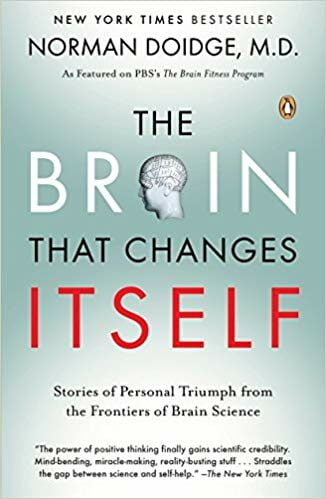
“The Brain That Changes Itself: Stories of Personal Triumph from the Frontiers of Brain Science” by Norman Doidge

The author, psychiatrist and psychoanalyst Norman Doidge, M.D., suggests a revolutionary look at the human brain. One of the central things in the book is neuroplasticity which states that brain changes throughout an individual’s life. In the book, you can read real-life examples. For instance, the case of a woman who had half the brain from birth, blind people who learn to see and many other inspiring stories. This book will change the way you look at brains. It’s truly inspiring and moving to see the human’s brain potential.


Inspiration


https://www.youtube.com/watch?v=n6sTlukHLiA


“Self-discipline is the center of all material success.” – Will Smith

https://www.youtube.com/watch?v=mSi2iYfOWn8


“Once you become fearless, life becomes limitless.” – Dan Peña


“You got to have a purpose no matter what you do in life.” – Arnold Schwarzenegger


“How can I afford this? Change your words; change your life.” – Robert Kiyosaki


“Any mistake is a wonderful revenue for you.” – Jack M


Inspiration
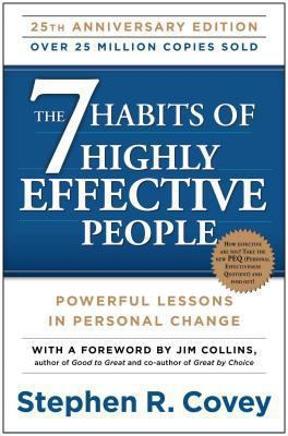
  • The 7 Habits of Highly Effective People by Stephen Covey

A popular book about personality development. This book is not so much about business, but about how to consciously approach your life, building it step by step, achieving your goals.


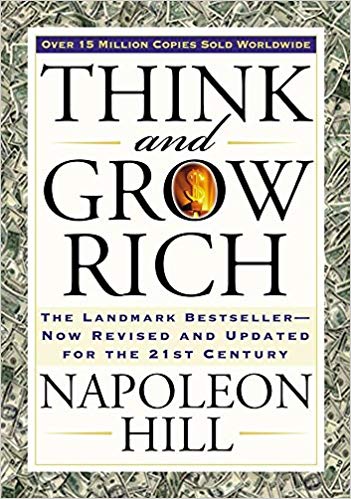
  • Think and Grow Rich by  Napoleon Hill

The book is for those people who need motivation for action. Each chapter tells inspirational stories and working formulas for success. After reading, you get a wild charge of ambition and a desire to move forward.


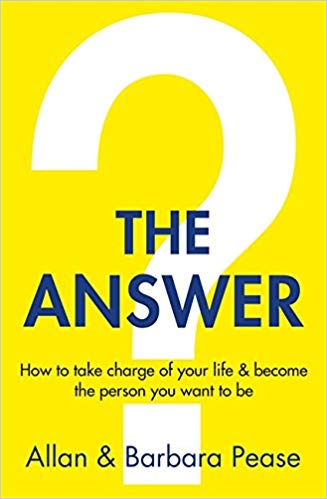
  •  The Answer by Allan Pease and Barbara Pease

The authors teach readers to believe in themselves and not listen to anyone but themselves. The book helps to correctly set goals and not be afraid to change them. Everything that happens in our lives is the result of our thinking and environment.


  • The Power of Your Subconscious Mind by Joseph Murphy

The book provides information that is surprising at first glance, which allows you to look deeper into the world. The text is filled with positive ideas, goodness and faith in success. It inspires and truly motivates you to control your thoughts and direct them in the right direction.


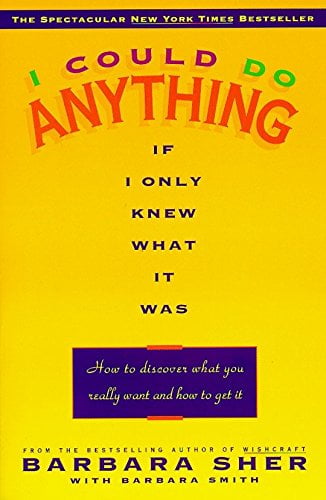
  • I Could Do Anything If I Only Knew What It Was: How to Discover What You Really Want and How to Get It By Barbara Sher

The book contains answers to questions that concern many: why should we engage in unloved business and live life aimlessly, how to reveal our abilities and talents which prevents us from realizing and achieving success. It’s recommended to all those who want to understand themselves, striving to become better and find their calling.

Lifestyle & Success
  • Tell me about yourself. What are your career goals for the next 1/5/10 years?

Your task is to describe your experience in a few words, dwell in more detail on the achievements that you have at the moment, and also briefly share your goals for the future.

Tell them what brought you to the interview, what requirements you meet and what efforts you have made for this. Show them how you are guided in your actions. Let the recruiter know how your position is related to your career prospects. Create the basis for moving a regular interview into an effective dialogue format.

  • Why did you choose this position?

Most employers look to hire individuals with critical thinking. It’s in your interest to prepare a good answer here. Make sure they see your enthusiasm and desire to work for their organization.

  • Why did you leave your previous job?

Be positive no matter the circumstances. You should not mention any serious issues with your previous employer or say anything bad about the company and colleagues. Talk about your interest in the new potentials, opportunities and ways to express yourself, etc.

  • What is your work experience and why should we work with you?

In your answer, focus on the responsibilities of the position you are applying for. You should understand how they relate to your skills. If you are lacking some experience, your awareness will play into your hands.

  • How do you think your colleagues and managers would describe you?

If you are struggling to answer instantly, talk to your ex-colleagues or professionals that you know and prepare one or two quotes.

  • What do you know about our company? Why do you want to work for us? Why are you applying for this position?

Make sure you do your research about the organization before the interview. Find as many details about its history as possible. How has it been growing? What are its current struggles? Who are its partners? Who are the competitors? Explain how you support the company’s mission and try to connect your answer with your skills and goals.

  • What salary do you expect?

Honestly, it’s a provocative question and a complicated game that you are likely to lose if you answer first. Consider the possible experience that you can get as the main reward. Or ask about the salary range of someone with your education/experience/skillset in that position. You can also say that it depends on the details of the job. Ask if it is possible to discuss this question at a later stage of the interview so that you fully understand your responsibilities.

  • Give some examples of your ability to improvise.

Companies look for innovative thinkers who don’t need to be babysat. They want professionals with creative thinking who work independently and can solve any assigned tasks in almost any environment. Prepare the answer to this question in advance. 

  • Tell me about how you managed to help the team focus on the goal and lead to success.

You are a team player, right? Be prepared to share stories about how you supported colleagues at difficult times and promoted their professional growth.

  • Do you apply for other vacancies?

Be honest, but don’t spend a lot of time answering. Focus on this interview and what you can do for this organization.

  • Have you ever been fired?

And again, be honest. But at the same time, be brief and avoid negative statements about yourself, about other people or about any organization.

  • What are your strengths? Tell me about how, with their help, you managed to smooth out the difference between failure and success?

Some good examples: the ability to prioritize, the ability to work under stressful conditions, leadership skills, reporting skills, etc. The main thing is to sound truthful.

  • Describe the person with whom you would refuse to work together.

Do not be trivial. This may be a lack of loyalty of a colleague to the organization and employees, his criminal behavior, manifestations of cruelty and violence. Minor objections will not play into your hands. Focus on discussing your ability to work well with almost everyone.

  • Have you ever thought about how you can improve working conditions in the organization?

They want to see that you are capable of:

1) be responsible enough to think about these kinds of improvements;

2) think creatively and challenge existing norms;

3) use emotional intelligence, working on improvements, including for other employees;

4) take into account the risks of changes.

  • Have you had any problems with your trainer/supervisor?

This is a trap, and you will fall into it if you start criticizing someone. Say that you did not have any problems or tell a short story about how you constructively worked to solve the problem and as a result strengthened your relationship.

  • What motivates you to give all your best? Or: What do you expect from your employer?

This is personal – be precise and honest. Examples include challenges, conditions for success, recognition, help to others. In the case of expectations, you can say about clear directions, thanks to which you can strive for better results. Add whatever you think is appropriate.

  • What are your weaknesses? Tell us about things that you are not good at.

Focus on professional growth. When discussing weaknesses, always say “but.” For example: “In the past, I made too many commitments, and it put a lot of pressure on me, but I overcame it because over time my skills got better.”

  • Describe the case when you had to analyze several options for the development of events and make the right, informed decision.

This question is being asked to discover strategic thinking abilities in you. Tell a story about a difficult situation, give detailed information about the pros and cons of the situation, about the sources of information obtained, about the information collected in general and about the conclusions made in order to come to a certain conclusion.

  • What helps you to remain a collected person? How do you put your affairs in order?

Planning requires certain skills. Talk about how you prioritize, for example, while working, what methods and tools you use. Tell them how your attention to detail at some point in your life led you to success.

  • Do you have any questions?

Prepare about 5 questions to gather the information you need to make an informed decision. These questions should allow you to better understand the position, as well as warm-up your interest in working in the company.